
In Indian culture, there is a wide variety of fashions. Each state has its unique outfits, but one traditional garment that every woman loves to wear is the saree. Sarees are beautiful, elegant, and gracefully steeped in tradition. They are popular for all occasions, including festivals, weddings, parties, and daily wear. Draping a 6-meter saree is a beautiful way to showcase its elegance. The saree has been a symbol of tradition for generations. Sarees are now popular all over the world, with a plethora of options available in terms of fabric, colour, and work patterns.
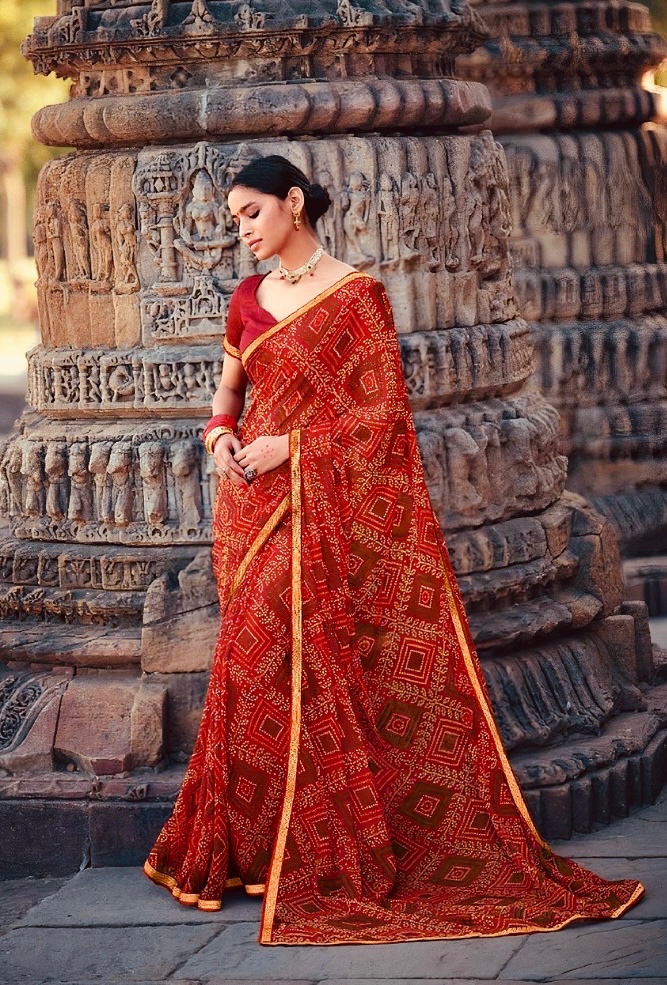
Initially, sarees were woven from natural fibers like cotton and silk, reflecting the agricultural and artisanal prowess of ancient India. Over the centuries, sarees evolved, influenced by various cultural, social, and regional factors, resulting in a rich tapestry of styles and techniques.
- Types of Sarees
Today, the diversity of Indian sarees is nothing short of mesmerizing. Each state and region boast its own unique style, weaving technique, and aesthetic appeal. Among the most iconic types of sarees is the Banarasi saree, hailing from the historic city of Varanasi. Crafted from luxurious silk adorned with intricate gold and silver brocade work, the Banarasi saree exudes opulence and grandeur. Prices for a genuine Banarasi saree can range higher depending on factors such as the quality of the silk and the intricacy of the design.
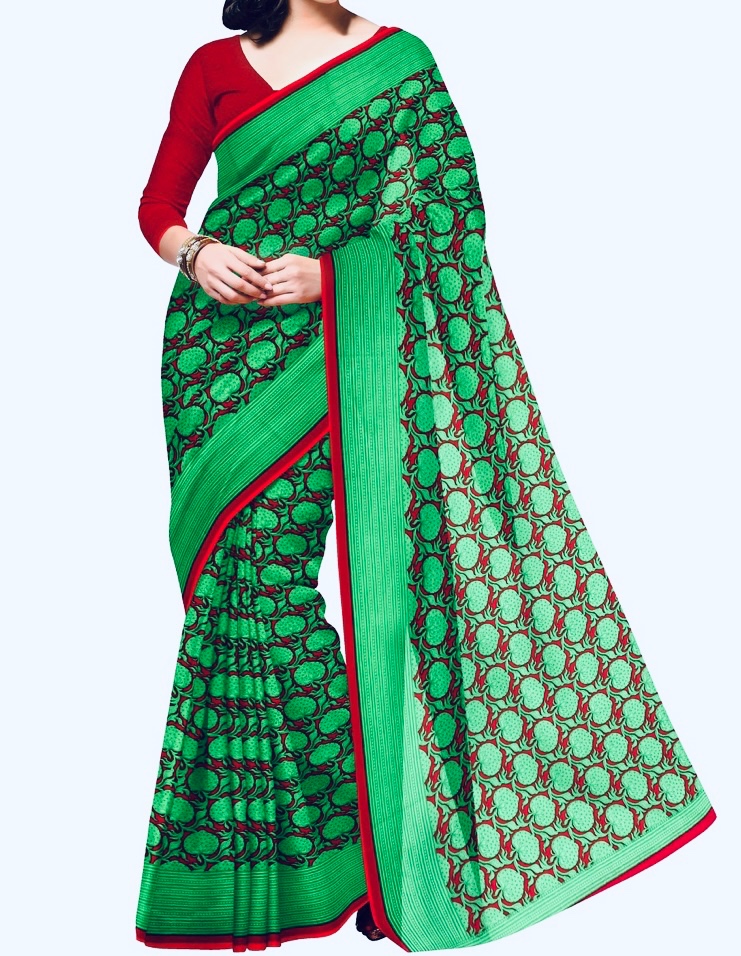
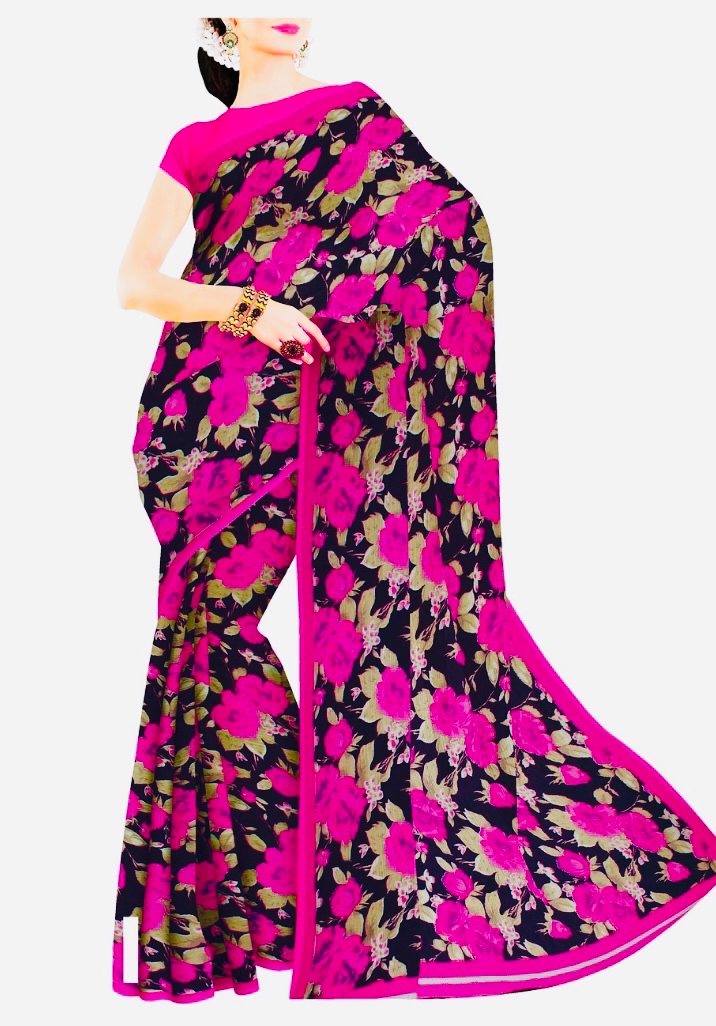
Another beloved variety is the Kanjeevaram saree, renowned for its rich colors, heavy silk fabric, and intricate zari work. Originating from the town of Kanchipuram in Tamil Nadu, Kanjeevaram sarees are prized for their durability and timeless appeal. A high-quality Kanjeevaram saree may cost anywhere from 12000 to 85000 ($150 to $1000) making it a cherished investment for many.
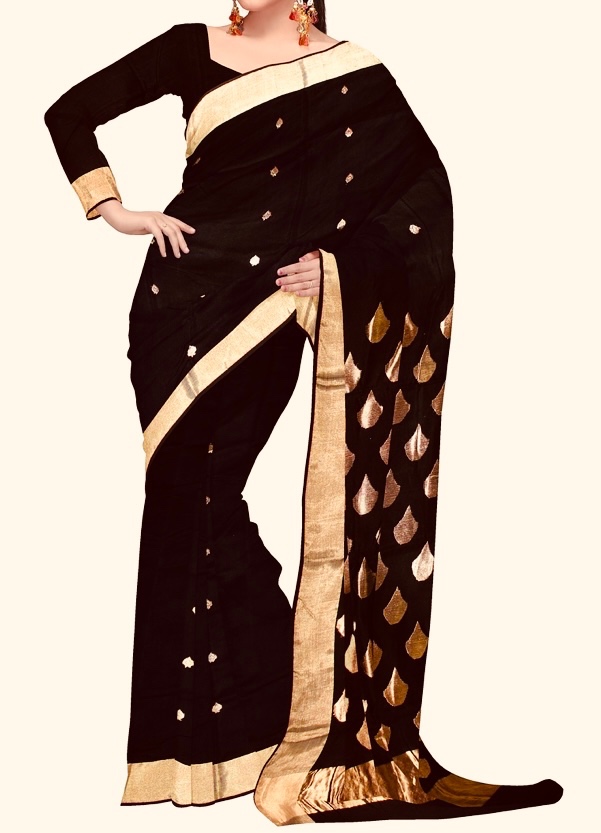
In addition to these, there are countless other types of sarees, each with its own story to tell. From the delicate Chanderi sarees of Madhya Pradesh to the vibrant Bandhani sarees of Rajasthan and the intricate Patola sarees of Gujarat, the options are endless. Prices for these sarees can vary widely depending on factors such as fabric, craftsmanship, and demand.
II. Traditional Wear and Cultural Significance
The saree holds a special place in the hearts of millions of Indian women as their traditional attire. It is not merely a piece of fabric but a symbol of cultural identity, grace, and femininity. Whether worn during festivals, weddings, or daily life, the saree embodies the timeless elegance of Indian tradition.
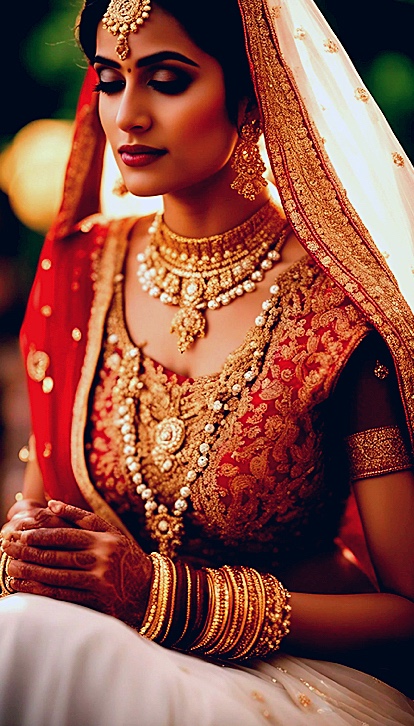
The versatility of the saree is another reason for its enduring popularity. It can be draped in myriad ways, each reflecting the wearer’s personality, mood, and occasion. In India, women from every state wear saree in different patterns. For example, Maharashtrian women wear sarees in different patterns than those from Gujarat. From the classic Nivi drape to the modern Butterfly drape, the saree offers endless possibilities for self-expression.
III. Craftsmanship and Work Types
Central to the allure of Indian sarees is the unparalleled craftsmanship and attention to detail displayed by artisans across the country. From handwoven silk to intricate embroidery and embellishments, sarees showcase a wide range of work types, each requiring skill, patience, and dedication. Some of the common work types found on Indian sarees are shown below:
Zari Work: Zari work is a traditional embellishment technique that involves weaving metallic threads, typically gold or silver, into fabric to create intricate patterns and designs. The process begins with wrapping metallic threads around a silk or cotton yarn, creating a shimmering base. Skilled artisans then use a handloom to weave these threads into the fabric, often incorporating motifs inspired by nature, mythology, or geometric patterns. Zari work adds a touch of opulence and elegance to sarees, making them popular choices for weddings, festivals, and special occasions. The gleaming metallic threads catch the light, creating a mesmerizing effect that enhances the beauty of the saree and reflects centuries of craftsmanship and tradition.


Embroidery: Embroidery work involves decorating fabric with needle and thread to create intricate patterns, motifs, and designs. Artisans use various stitches, such as satin stitch, chain stitch, and French knots, to embellish sarees with floral, geometric, or figurative designs. One of the states renowned for its embroidery work on sarees is Uttar Pradesh, particularly the city of Lucknow, famous for its exquisite Chikankari embroidery. Skilled craftsmen delicately embroider sarees with white thread on fine muslin or cotton fabric, creating elegant and timeless pieces. Chikankari sarees are cherished for their intricate craftsmanship, intricate patterns, and sheer elegance, making them popular choices for weddings, formal events, and everyday wear.
Appliqué Work: Appliqué work involves attaching pieces of fabric onto a base fabric to create patterns, motifs, or designs. Artisans first cut shapes from contrasting fabrics and then stitch or glue them onto the base fabric, often embellishing the edges with embroidery or other decorative techniques. Cotton, silk, and velvet are commonly used for this work due to their durability and ability to hold intricate designs. Odisha, known for its vibrant textiles and rich cultural heritage, is particularly renowned for its intricate appliqué work on sarees. The state’s Pipli village is famous for its colorful appliqué work, where skilled artisans craft stunning sarees adorned with intricate appliqué motifs. These sarees are popular for their exquisite craftsmanship, vibrant colors, and unique cultural appeal.
Hand Painting: Hand painting on sarees involves using brushes and dyes to create intricate designs directly onto the fabric. Fabrics such as cotton, silk, and chiffon are preferred for hand painting due to their smooth texture and ability to absorb colors well. Kerala, known for its rich cultural heritage and artistic traditions, is particularly renowned for hand-painted sarees. Skilled artisans in Kerala meticulously hand-paint sarees with vibrant motifs inspired by nature, mythology, and local folklore. These sarees are popular for their unique artistic appeal, exquisite detailing, and the personal touch of the artisan, making each piece a wearable work of art.
Block printing: This is a traditional technique of printing patterns onto fabric using wooden or metal blocks. To begin, a design is carved into the block, creating a raised surface for printing. The block is then dipped into dye or pigment and pressed onto the fabric, transferring the design. This process is repeated to create intricate patterns and motifs. Block printing is primarily practiced in regions known for their rich textile traditions, such as Rajasthan and Gujarat in India, where it has been passed down through generations of artisans. These skilled craftsmen infuse their creations with cultural motifs and vibrant colors, making each piece a unique work of art. Today, block-printed fabrics and sarees are cherished worldwide for their beauty, craftsmanship, and connection to tradition.
These work types not only enhance the beauty of the saree but also preserve age-old traditions and craftsmanship passed down through generations.
IV. Global Appeal
Despite the ever-changing landscape of fashion, the saree remains a timeless classic, cherished by women of all ages and backgrounds. Its popularity transcends borders, with celebrities, fashion designers, and influencers around the world embracing its elegance and allure.
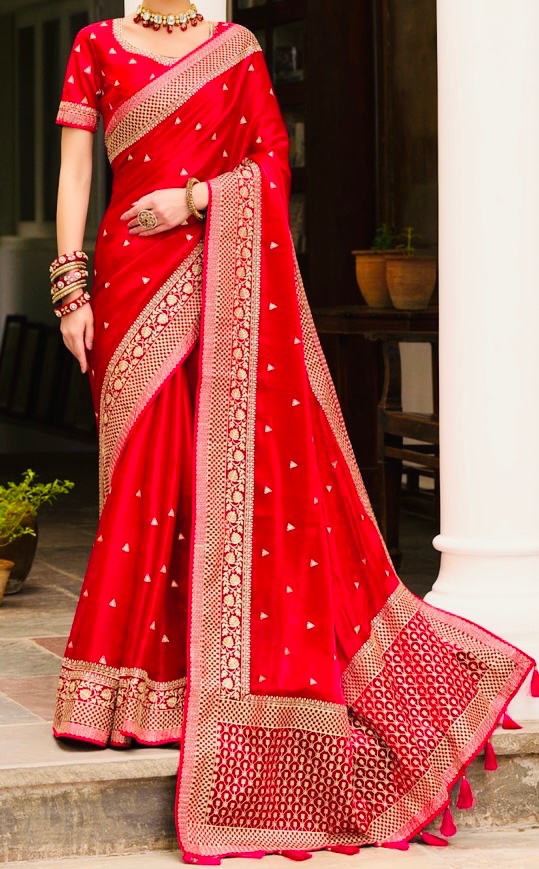
One of the reasons for the enduring popularity of sarees is their ability to blend tradition with modernity seamlessly. Women wear sarees with popular designer blouses, which grace them with matching and intricately designed blouses. Whether adorned with traditional motifs or contemporary designs, sarees offer a sense of cultural pride and sophistication that resonates with women everywhere.


In a world of fleeting trends and fast fashion, the Indian saree stands as a beacon of timeless elegance and cultural heritage. From its ancient origins to its modern-day appeal, the saree continues to captivate hearts and minds, weaving together stories of tradition, craftsmanship, and femininity. As we celebrate the beauty of Indian sarees, let us embrace their legacy and honor the artisans whose skill and passion bring them to life.
Thank you for reading, and I welcome all ideas and views.
Sandeep K.


Leave a Reply