
Across the globe, people are busy with their daily lives, using everyday items such as plastics, fur, clothes, and leather at home, work, and for business. While these items make our lives easier, we often overlook the harm they cause to the environment. However, by making small efforts, we can make a big difference. In the world of fashion, being kind to the planet is not just a trend, it’s a movement. Let’s explore eco-friendly fashion and choose styles that not only make us look good but also make us feel good about helping the environment. In this article, I will share eco-friendly fashion ideas for our everyday outfits and one step we can take to save the environment.
I. What is Eco-Friendly Fashion?
Eco-friendly fashion is a growing trend in the clothing industry that focuses on producing garments in a sustainable and environmentally conscious manner. This approach encompasses the use of environmentally friendly materials, such as organic cotton, recycled fabrics, and natural dyes, as well as adopting eco-conscious manufacturing processes that minimize waste and emissions. By prioritizing sustainability, eco-friendly fashion is making a positive impact on the environment, promoting ethical practices in the industry, and offering consumers a more responsible and conscious choice in their clothing purchases.
II. Fabrics with a Green Heart:
Step into the world of eco-friendly fashion with fabrics approved by Mother Earth. Superheroes like bamboo, organic cotton, banana, jute, and hemp are grown without harmful chemicals, making them gentle on both the planet and your skin. These are briefly discussed as under:
i. Bamboo fabric – Bamboo is a highly fibrous plant that can be easily transformed into fabric. It is self-sustaining and the fastest-growing grass on earth, with a harvest cycle of only six to nine months. What’s more, bamboo can thrive in infertile land, making it an incredible and versatile resource. Bamboo fabric is a very soft and durable fabric. Many bamboo products are available in the market such as shirts, pants, t-shirts, and socks.

ii. Organic cotton – Organic cotton is grown naturally without the use of chemicals or fertilizers, making it an eco-friendly choice. In contrast, non-organic cotton is produced using these chemicals, which can harm the environment. However, despite the benefits of organic cotton, the high demand for cotton and the fast fashion industry are promoting the use of non-organic cotton. As a result, both organic and non-organic cotton are available in the market. Non-organic cotton production requires a significant amount of water and can absorb up to 2,700 litres of water for just one T-shirt. On the other hand, organic cotton requires only 250 litres of water for one T-shirt, making it a water-efficient and sustainable option.
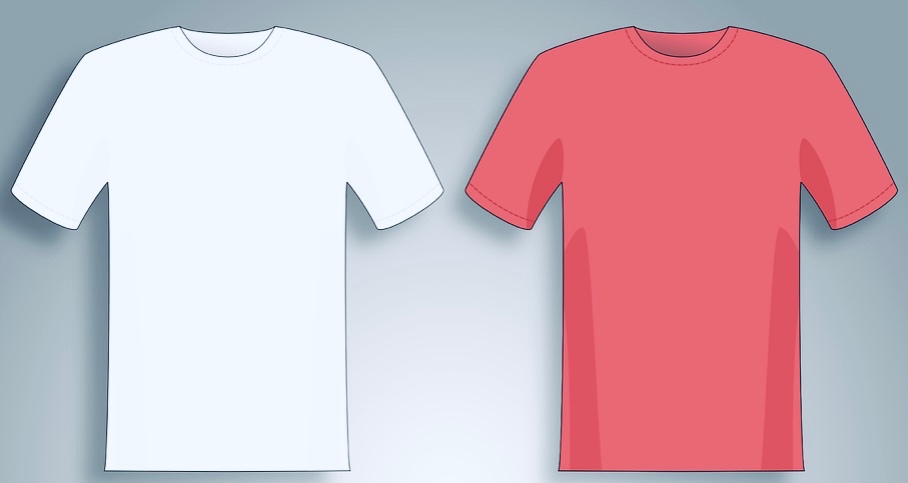
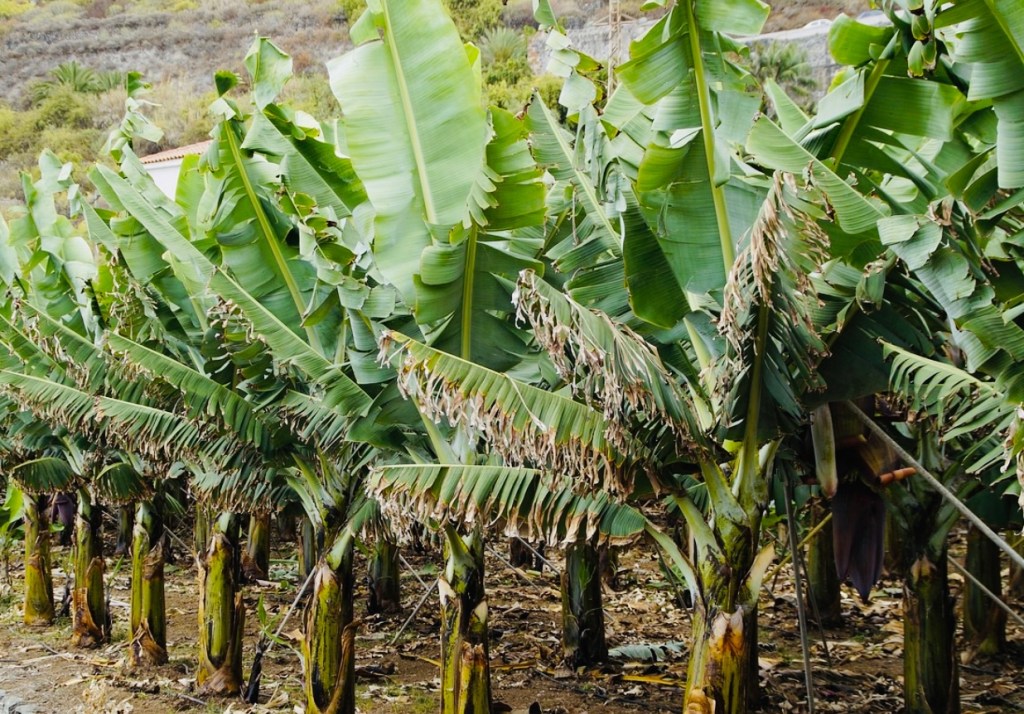
iii. Banana fabric – Banana tree stems are used to make a fabric that is both eco-friendly and soft. After the banana tree is harvested, its stem is cut and used to make fabric that is entirely made from banana tree waste. This fabric is suitable for making various products such as shirts, t-shirts, mats, baskets, and more.
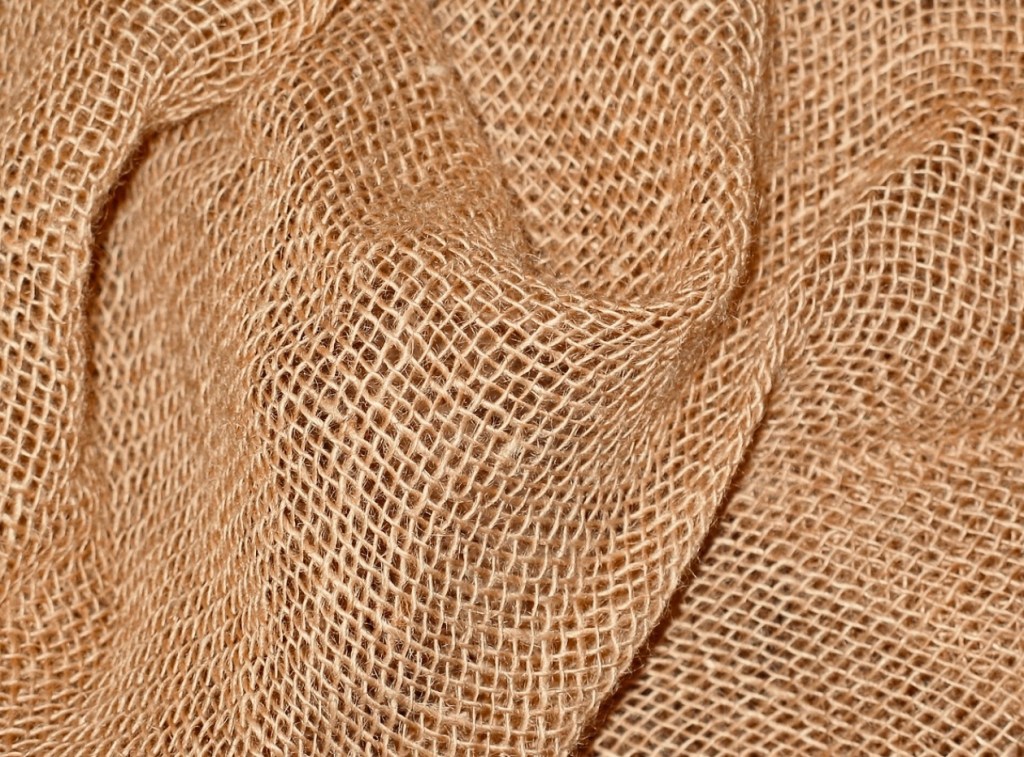
iv. Jute fabric – Jute is an environmentally friendly and highly resilient material that can be grown and harvested naturally in just four to six months. It has a wide range of uses, and recently, jute clothing has become available in the market. Designers are creating many designer clothes using jute. The best part is that jute can be recycled.
v. Hemp fabric – The cannabis plant has been used for various purposes since 4000 BC. Hemp fabric is created by using fibres from the stalks of the cannabis Sativa plant. One of the advantages of growing hemp crops is that they require low water requirements and transfer nutrition to the soil, thereby improving its health. What’s more, hemp fabric is fireproof and antibacterial, making it unique. After use, hemp is easily biodegradable. Many products such as clothes, shoes, bags, and pouches are made of hemp fabrics.
vi. Pinatex – Pinatex is a sustainable alternative to leather. It is made from the fibers extracted from pineapple leaves and is completely natural. No animal products or chemicals are involved in its production. Pinatex is versatile and can be used to make clothes, bags, wallets, watch bands, shoes, and even seat covers. Orange fibre fabric – orange yarn makes soft fabric from orange peels. The fabric is silky, soft, cotton-like strong, anti-wrinkled and biodegradable.
vii. Parblex – Parables are an innovative and eco-friendly material made from potatoes. This bioplastic is not only recyclable but also biodegradable, making it a sustainable alternative to conventional plastics. Parables are increasingly used in fashion for producing buttons, jewellery, and other accessories due to their unique texture and appearance. Additionally, parables are also used in interior design to create stylish and eco-conscious home decor items. Being versatile and environmentally friendly, parables are becoming a popular choice among designers and consumers who value sustainability and innovation.
III. Other initiatives towards saving the environment.
i. Used/old clothes: The appeal of vintage clothing is undeniable, and it offers an opportunity to revitalize old garments that might otherwise go unused. Thrift stores, vintage shops, and clothing swaps are excellent resources for pre-loved fashion, waiting to be rediscovered. However, this trend is about more than just shopping. Old clothes have a story to tell, each with its unique history, memories, and charm. It is not solely about finding affordable attire but also about taking a step toward reducing waste. Embracing treasures presents an eco-friendlier and budget-conscious approach to fashion. By exploring these numerous opportunities, we can take positive steps toward promoting sustainability while still maintaining a fashionable wardrobe.
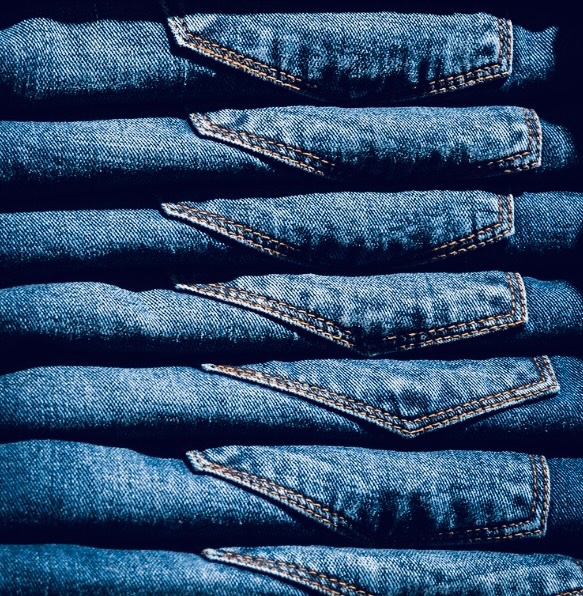
ii. Upcycling Clothes: The practice of upcycling can be employed to rejuvenate old clothing items and infuse them with a new purpose. The art of upcycling entails transforming forgotten articles of clothing into novel shapes and styles. For instance, one may re-imagine old denim pants as a chic handbag, an elegant skirt, or a set of placemats. Resources are abundant on various online platforms to enable individuals to design their own fashion by cutting, sewing, and re-purposing their old garments into unique and stylish pieces. This practice is an excellent way to demonstrate creativity and a commitment to sustainable fashion.
iii. Slow Fashion Movement: The fast fashion industry has been a cornerstone of the fashion industry for decades, but a shift towards a more sustainable fashion movement has gained momentum in recent years. The slow fashion movement is centered on the principle of quality over quantity. Adopting this approach entails investing in high-quality and timeless pieces that are designed to last longer. Not only is this beneficial for your wardrobe, but it is also an environmentally conscious decision that promotes sustainability. Therefore, embracing the slow fashion movement is a step in the right direction for those who value both style and sustainability.
iv. Zero-Waste: In the world of fashion, every scrap of textile is valued and contributes to creating something beautiful. Zero-waste designs are like puzzle pieces that fit together seamlessly, with each component contributing to the final masterpiece. This innovative approach to fashion promotes sustainability and eco-friendliness, inspiring us all to make a positive impact on our environment. As responsible individuals, it is our duty to protect our planet and contribute towards creating a cleaner and more stylish world.
v. Fair Trade Fashion: In the dynamic and ever-evolving fashion field, a diverse team of designers, tailors, and workers come together to create stunning and trendy clothing that appeals to the masses. What sets this industry apart is its unwavering commitment to fairness and social responsibility. The workers who pour their heart and soul into crafting your clothes are treated with respect and dignity, receiving fair wages and working in optimal conditions. This is a testament to the value placed on the human element of the fashion process. Opting for fair trade fashion means that you become a superhero of sorts, supporting a system that cares for both fashion and the incredible workers who make it possible. It’s not just about looking good; it’s about feeling good too. Knowing that your fashion choices support a fair and friendly industry can give you a sense of pride and satisfaction that’s hard to match.
vi. Vegan Revolution: Veganism is a growing trend, not only in diet but also in fashion. Ethical consumers are increasingly looking for products that align with their values, and vegan leather is a perfect example. Unlike traditional leather, which is made from animal hides, vegan leather is made from plant-based materials and is free of any animal-derived substances. Pineapple leaves, mushroom fibers, and grape skins are some of the innovative materials being used to create this eco-friendly and cruelty-free alternative. These materials are processed in a way that mimics the texture and durability of traditional leather, so you can get the same look and feel without harming any animals. One of the leading companies in this space is Vegea, which produces vegan leather from grape skins. By using this byproduct of the wine industry, Vegea is able to create a sustainable and ethical material that is both stylish and functional. With vegan leather, you can make a fashion statement while also contributing to a more compassionate world.
vii. Fashion with a Purpose: The maxim of “wearing one’s values” has become a central tenet of fashion with a purpose. Numerous eco-friendly brands have taken up this challenge, seeking to advance a greater cause beyond mere aesthetics. By supporting these brands, individuals can play a pivotal role in the fashion revolution, which seeks to transform the industry into a force for good in the world. These companies combine ethical values with their product lines, providing consumers with a means to make a positive impact on society through their apparel choices.
viii. Educate and Elevate: In today’s world, being knowledgeable about eco-friendly fashion is of utmost importance. It is heartening to see that designers are now actively creating, supporting, and promoting sustainable fashion. It is crucial for us as consumers to educate ourselves about the brands we choose to support, the materials they use, and their commitment to sustainability. Every conscious and informed decision we make when it comes to fashion can bring us one step closer to having a greener and more sustainable wardrobe.
IV. To sum up:
I believe that eco-friendly fashion is not just a trendy word; it’s a way of life that celebrates the beauty of the Earth. By choosing sustainable options and following eco-conscious trends, you’re not just dressing up – you’re making a statement that fashion can be fabulous and environmentally friendly at the same time. These small steps show how we can contribute to protecting the environment. If we come together and support eco-friendly products that cause the least damage to the environment, we can create a revolution where everyone can be a trendsetter with the planet in mind.
Thank you for reading, and feel free to share any information or suggestions in the comment section.
Sandeep K.
 www.fashiontipsntalk.com
Leave a comment