
INTRODUCTION
The fashion industry is a captivating and dazzling world that transcends geographical boundaries and brings people together from all corners of the globe. Regardless of one’s profession or background, fashion is a ubiquitous topic that captures the attention of individuals everywhere. It’s more than just a trend or a passing fad; it’s an art form that has the power to transform the way we see ourselves and others. From haute couture to streetwear, fashion is a multifaceted and dynamic industry that continues to evolve with every passing season.
I am excited to share my article with you about the immense significance of our traditional fashion, which continues to be a popular choice for festivals and weddings. The fashion industry plays a crucial role in preserving our traditional elements, with designers striving to create innovative designs that seamlessly blend modern trends with timeless traditions. Every designer aims to create unique and striking designs that capture the essence of our rich cultural heritage.
INDIAN CLOTHING
India is a country with a rich and diverse cultural heritage, which is reflected in its cuisine, languages, and traditional clothing styles. Each state has its unique clothing style that represents its cultural identity. Indian clothing is known for its intricate designs, vibrant colors, and high-quality fabrics.
Sarees are a traditional garment worn by women in India, which are draped around the body in a variety of ways. They are made of different fabrics, such as silk, cotton, and chiffon, and often feature intricate embroidery and embellishments.
Dhotis are a traditional garment worn by men, which is a rectangular piece of cloth that is draped around the waist and legs. They are usually made of cotton or silk and come in a variety of colors and patterns.
Kurta-pyjamas are a popular choice for men, especially for formal occasions. They consist of a long tunic-style shirt paired with loose-fitting pants.
Lehengas are a type of skirt worn by women, which is usually paired with a blouse and a dupatta (scarf). They are often heavily embroidered and are a popular choice for weddings and other special occasions.
India’s traditional clothing styles are an embodiment of the country’s diverse cultural heritage and the exquisite workmanship of its textile industry.
FASHION WITH RICH TRADITION
India is a land of diverse cultures and traditions, each with its unique art forms. One such art form is the Lucknowi Chikan embroidery, also known as Chikankari, which originated in the city of Lucknow, Uttar Pradesh. This exquisite form of needlework involves intricate and delicate embroidery, usually crafted on white fabric, creating a subtle and elegant effect. The embroidery is widely used to adorn garments such as Chikan Kurtas, sarees, and other clothing items, making it an integral part of India’s clothing industry.

Kashmiri Embroidery is an exquisite and highly sought-after form of hand embroidery, renowned for its intricate and unique designs. The skilled artisans use a combination of threads, beads, and sequins to create a range of beautiful items, such as table runners, cushions, wall hangings, and bed covers. Each piece is a work of art in its own right, reflecting the rich cultural heritage of the region.
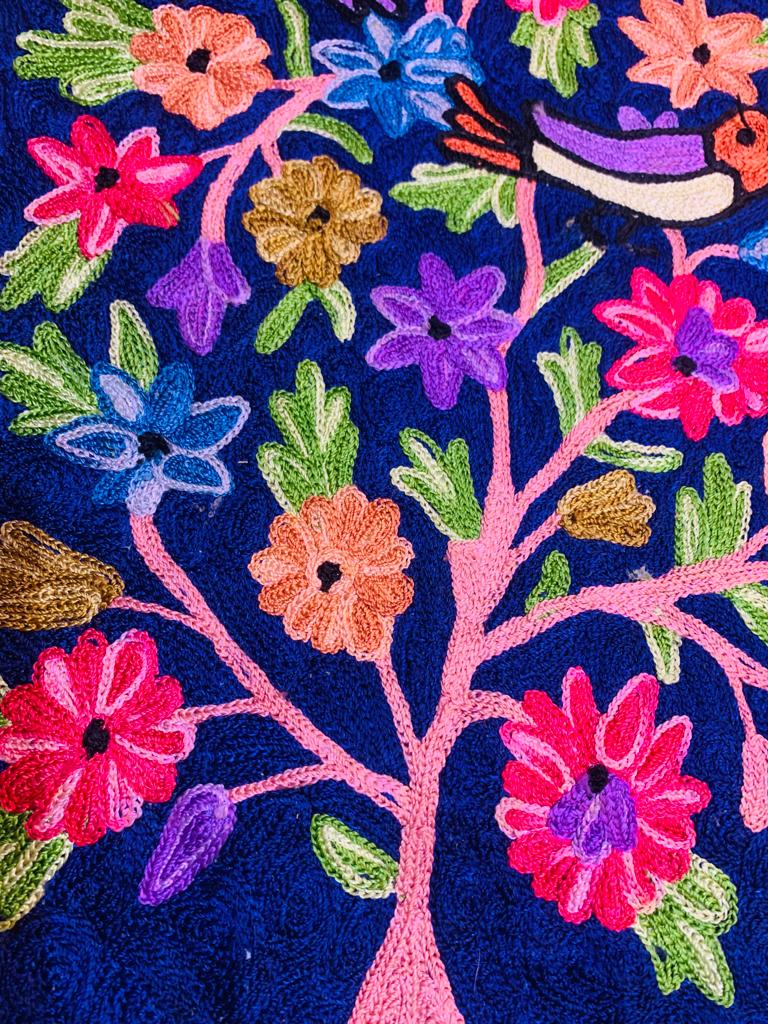
Moving on to Ludhiana, which is famous for its woolen clothes and blankets. The wool used in the production process is of the highest quality, resulting in warm and cozy garments that provide excellent insulation during the cold winter months. Each piece is carefully crafted, ensuring that it is both durable and aesthetically pleasing.
Finally, Phulkari dupattas are a popular form of embroidery in Punjab, particularly worn by brides during marriages. The embroidery is characterized by its vibrant colors and bold patterns, which are created using a combination of silk and cotton threads. The intricate designs take hours to complete, and the end result is a stunning piece of art that is both functional and beautiful. Kolkata, the cultural capital of India, is renowned for its vibrant and exquisite traditional clothing. The city is especially known for its rich variety of Bengali clothing, including the elegant sarees and traditional kurta-pyjamas, which hold immense significance during festivals and ceremonies. The region is also a hub for exquisite handloom and handcrafted textiles, showcasing the skilled craftsmanship of the local artisans. The bustling markets of Kolkata are home to a wide range of traditional sarees, including the luxurious Banarasi and Kanjeevaram silk sarees, which are highly sought-after across the country.
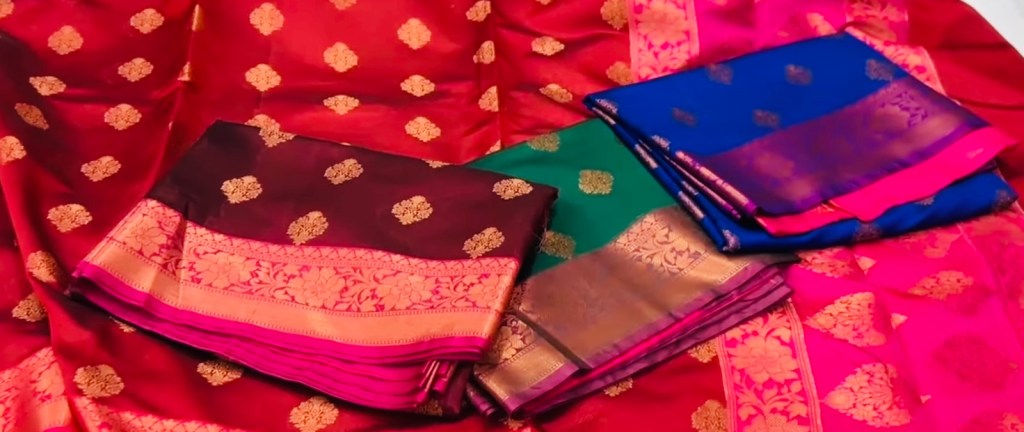
Additionally, the city is famous for its cotton sarees, known as ‘tant’ sarees, which are crafted using traditional weaving techniques, making them a unique and prized possession for enthusiasts of traditional clothing.
ECONOMIC GROWTH
The fashion industry is known for its diverse range of yarns used for crafting beautiful garments. Among the various types of yarns, cotton and silk are in high demand in India and abroad. In fact, the trend of cotton clothing is gaining popularity amongst the younger generation.
India is a leading producer of cotton, with a dominant position in the global cotton industry. Cotton is widely cultivated across several states in India, including Gujarat, Maharashtra, Punjab, Haryana, Rajasthan, and Madhya Pradesh. The cotton industry is a significant contributor to the Indian economy, providing employment to millions of people. Moreover, India is one of the largest cotton exporters in the world, with export quantities dependent on various factors such as market demand, textile production, and raw material availability.
Silk is an integral part of India’s rich clothing industry, with its production spanning across different regions of the country. States like Karnataka, Andhra Pradesh, Tamil Nadu, Jammu and Kashmir, Maharashtra, Odisha, and Uttar Pradesh are major contributors to the silk production in the country. Silk has been an integral part of the Indian art and textile industry for centuries, and it continues to play a significant role in the country’s economy. The cultivation of silk requires a considerable amount of time, with several months dedicated to cocooning, followed by additional months for silk thread extraction and processing. India is one of the leading silk exporters in the world, showcasing its expertise and richness in this material.
FASHION INSTITUTES IN INDIA
Numerous institutions across the country offer courses in fashion design, leading to the emergence of several new institutes. However, NIFT (National Institute of Fashion Technology) remains the premier institute for fashion design, attracting numerous aspiring designers. The competition to get into NIFT is intense, with over one lakh students taking the entrance exam in 2023. Out of these, only around 10,000 candidates made it to the final merit list, which highlights the growing interest in fashion design. Over the past five years, there has been a significant increase in the number of students pursuing fashion design, which has been paralleled by a rise in the number of fashion design institutes. In India, there are 686 fashion design colleges, of which 537 are private and 133 are government-affiliated.
Notable institutions include the National Institute of Fashion Technology, JD Institute of Fashion Technology, Army Institute of Fashion and Design, Fashion Designing College, DIFT Indore, Madras Institute of Fashion Technology (MFT), Design Institute, JD Institution of Fashion Technology, Institute of Fashion Interior Design, Hyderabad, Gandhi Institute of Fashion and Textile, and Fashion Design & Interior Design Institute in Mumbai, among many others nationwide. The fashion industry offers numerous opportunities, and aspiring designers often establish their boutiques, contributing to the growing hub of boutiques in markets. Designers continually create new styles and designs, reflecting the ever-evolving nature of fashion.
SCOPE OF FASHION INDUSTRY
The fashion industry is a dynamic and constantly evolving field that presents numerous exciting opportunities for those looking to venture into it. With the rise of new designers opening their boutiques, there has been a surge in boutique hubs within markets. These designers continuously innovate and create a plethora of new styles and designs, keeping the industry creatively demanding and inspiring. Fashion is a field that demands change, as people’s tastes and preferences shift and evolve over time, bringing about new trends and fashion statements.
As we move forward, it is essential to embrace new technologies and learning techniques to grow the industry while still preserving our unique culture. The beauty of the fashion industry lies not only in the creativity and innovation but also in the preservation of our cultural heritage through handwork. In conclusion, it is worth saluting all the people who contribute to this industry, as they are the roots of this multibillion-dollar industry. There are abundant development opportunities in the fashion industry, and with the right approach, the sky is the limit.
Thanks a lot for checking out my article. I would love to hear your thoughts, ideas, and opinions on it. So, please don’t hesitate to share them with us. Your valuable feedback is what helps us grow and improve. Looking forward to hearing from you!
SANDEEP K.
 www.fashiontipsntalk.com
Leave a comment